
The Best Detergent for Period Underwear (and How to Use It Right)

Use a mild, fragrance-free liquid detergent, ideally one with enzymes or protease that break down blood proteins, and skip the powder. Rinse your period underwear in cold water the moment you take them off, wash separately on a gentle cycle, and skip the fabric softener entirely. Below is a short list of what to buy, what to avoid, and the exact wash routine that keeps the absorbent layers working for years instead of months.
TL;DR:
- Use a fragrance-free liquid detergent with enzyme or protease content to break down blood proteins and prevent residue buildup in absorbent layers.
- Avoid fabric softeners, dryer sheets, and oily or perfumed formulas that impair the fabric’s moisture transfer and long-term absorbency.
- Rinse underwear immediately in cold water after use and avoid hot water or high heat during drying to prevent permanent stains and preserve fabric integrity.
- Regularly soak stained underwear in oxygen bleach or enzyme solutions for older stains and odors, avoiding heat to keep blood from setting.
- Follow a gentle wash routine, pairing cold water with mild detergent and air drying, to maximize the lifespan and performance of your period underwear.
Table of Contents
- What is the best detergent for period underwear?
- What detergents and additives should you avoid?
- How do you wash period underwear step by step?
- How do you get out stains and smells for good?
- Does hard water affect how well detergent cleans?
- How does the right wash routine protect SweeTee period underwear?
- Why gentle care beats aggressive cleaning every time
- Extend the life of your period underwear collection
- Sources
What is the best detergent for period underwear?
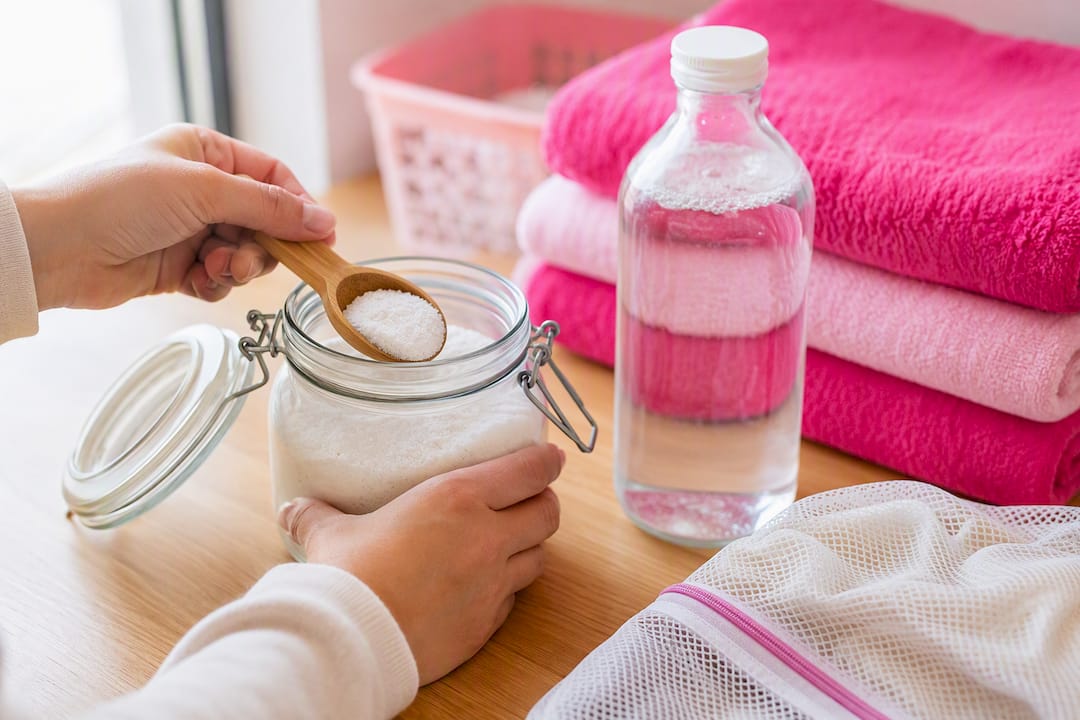
Liquid detergent beats powder for one simple reason: powder doesn’t fully dissolve in cold water, and leftover granules sit inside the absorbent layers and cut their ability to soak up flow. A mild liquid formula generally cleans period underwear well and leaves less residue than heavy powders or softener-laced washes, which is exactly what you want when the fabric’s whole job is to wick moisture through several layers.
Look for three things on the label:
- Enzyme or protease content. These enzymes target blood proteins directly instead of just rinsing surface stains, which matters because dedicated period-panty detergents built around protease enzymes stay pH-neutral and fragrance-free while still breaking down blood at the molecular level.
- Fragrance-free or “sensitive skin” labeling. Heavy perfume ingredients tend to sit closer to skin during wear, and that’s a bad combination for anyone prone to irritation.
- No added softening agents in the formula itself. Some liquid detergents quietly include softening compounds, so check the ingredient list, not just the front label.
A product like Daintie’s period panty detergent is built around this exact combination: gentle enough for daily wear, tough enough on protein stains. It’s a reasonable starting point if you want a purpose-made option rather than repurposing whatever’s under your sink.
What detergents and additives should you avoid?
Fabric softener is the biggest offender. It coats fibers with a waxy, hydrophobic film that blocks moisture transfer, and that coating is exactly what reduces an absorbent fabric’s ability to soak up liquid over repeated washes. Dryer sheets do the same thing from the other direction, so both are off the list, permanently.
A few more to skip:
- Glycerin-based or oily detergents, which leave a similar residue problem to softener.
- Heavily perfumed formulas, which raise irritation risk against sensitive skin.
- Chlorine bleach, which breaks down elastic and absorbent fibers over time.
Oxygen bleach is the safer alternative if you need extra whitening power. It’s gentler on synthetic and absorbent layers and works well as an occasional soak rather than a regular additive.
Pro Tip: Measure your detergent dose carefully. Even a mild formula can leave enough residue to dull absorbency if you overdo the amount or skip a thorough rinse.
How do you wash period underwear step by step?
The routine is short, and skipping the first step is the mistake that costs you the most in stain and odor buildup later.
- Rinse immediately in cold water. Cold-water rinsing right after you take them off is the single most effective move to stop blood proteins from setting into the fabric, and it makes every later step easier.
- Pretreat fresh stains. Soak in cool water with an enzyme-based detergent or stain remover for 15 to 30 minutes before washing.
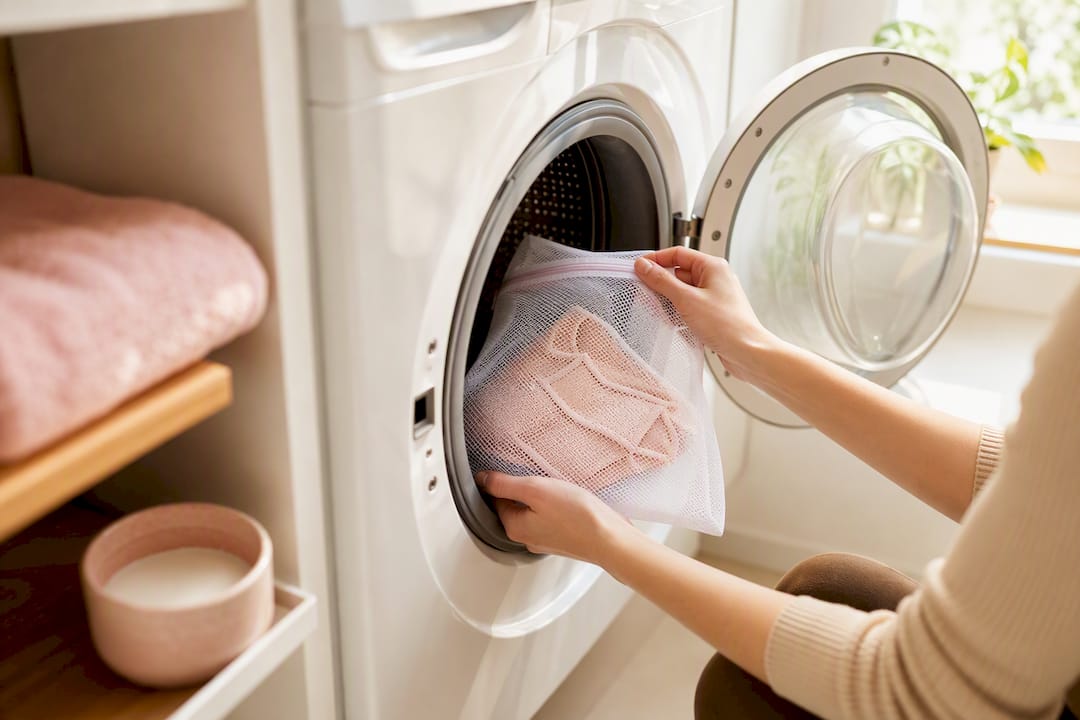
- Wash on a gentle cycle in cold water. Use a normal dose of your liquid detergent, no more. Cold water protects both the elastic and the absorbent core, and it prevents any remaining blood from cooking into a permanent stain.
- Skip the softener dispenser entirely, even if it’s built into your machine.
- Air-dry. Lay flat or hang to preserve the layers and keep the fabric breathable. If you’re in a genuine time crunch, use the lowest heat setting for the shortest cycle your dryer offers, and only occasionally.
- Deep clean every few weeks. An occasional oxygen bleach soak or a longer enzyme treatment helps clear buildup that a regular wash cycle misses.
Hand washing works just as well as machine washing if you prefer more control, especially on multilayer or heavy-flow styles. Just keep the water cold and the detergent dose light.
How do you get out stains and smells for good?
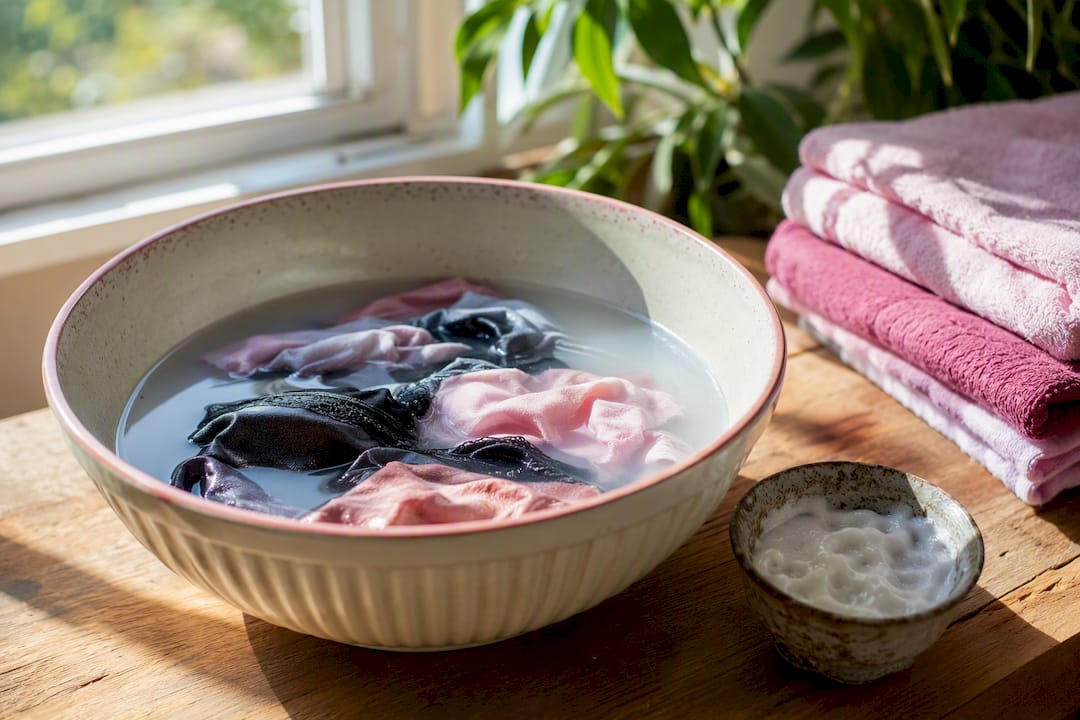
Protease enzymes work by breaking apart the protein structure in blood, not by dissolving it the way a surfactant would, which is why they outperform standard detergent on set-in stains. For fresh stains, soak for 15 to 30 minutes in cool water with an enzyme treatment before washing. For older or set stains, an oxygen bleach soak of one to two hours gives the enzymes more time to work.
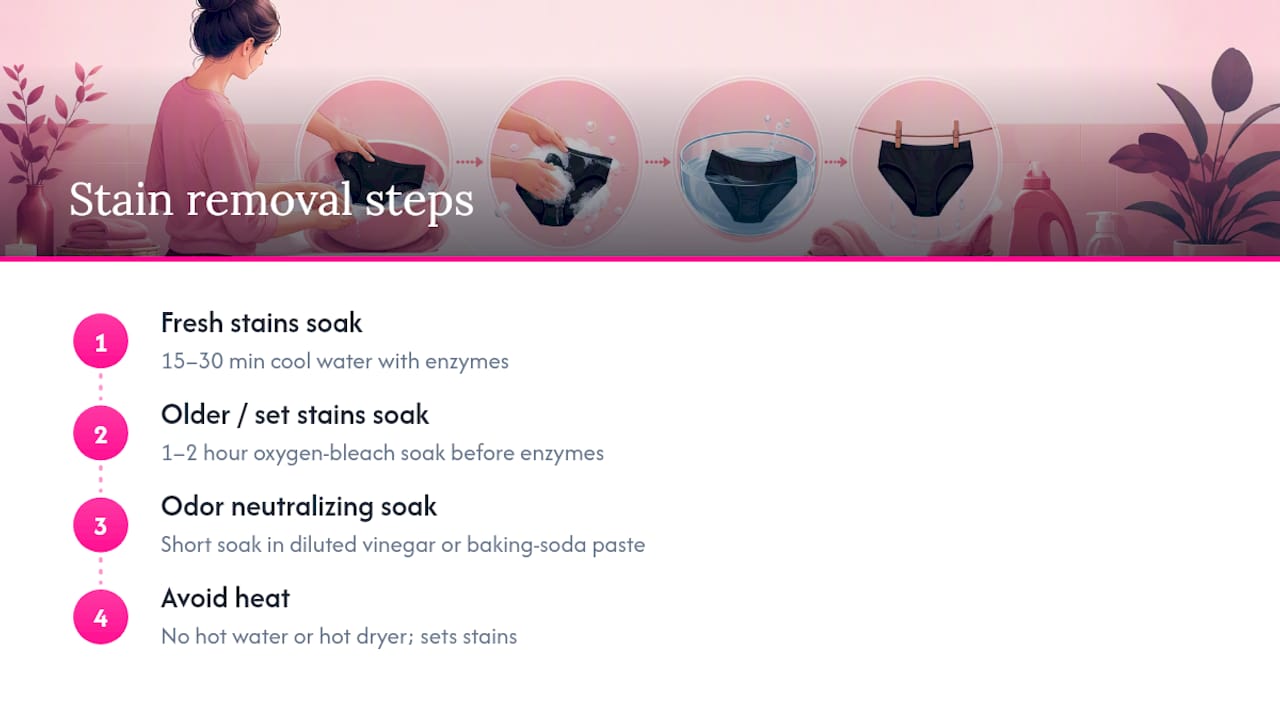
Heat is the enemy here. Hot water or a hot dryer cycle can permanently set a blood stain before the enzymes finish their job.
For odor, a short soak in diluted white vinegar or a paste of baking soda and water neutralizes smell without leaving a residue coating behind. Sunlight adds a mild natural sanitizing effect during air-drying and helps lingering odor dissipate.
One honest note: some discoloration becomes permanent no matter what you try, especially on lighter fabrics after repeated heavy-flow use. That’s a cosmetic issue, not a functional one. The absorbent layers underneath keep working fine.
Does hard water affect how well detergent cleans?
Hard water is one of the most overlooked reasons a “good” detergent stops performing. Mineral buildup interferes with how detergent dissolves and rinses out, and hard water can reduce detergent effectiveness while increasing residue left behind on fabric.
If you’re on hard water, a few adjustments help:
- Stick with liquid detergent, since it dissolves more completely in cold, mineral-heavy water than powder does.
- Add a water-softening booster to your wash if residue keeps showing up despite a full rinse cycle.
- Use slightly more of your enzyme treatment during pretreat soaks to compensate for reduced detergent action.
Drying still matters as much as washing. Air drying keeps the layered structure intact and lets the fabric breathe; save low heat for genuine emergencies only, and never as your default setting.
How does the right wash routine protect SweeTee period underwear?
Sweeteebeauty’s own care guidance for washing period underwear walks through the same core sequence: rinse in cold water right after wear, wash with a mild detergent, skip the fabric softener, and air-dry. That sequence isn’t arbitrary. The multilayer construction that makes period underwear leak-proof depends on each layer staying uncoated and fully absorbent, and softener residue or high heat breaks that down layer by layer.
Sensitive skin readers should pay attention to the fragrance-free recommendation specifically. Sweeteebeauty’s fabrics are built for irritation-free wear against skin for extended periods, and a heavily scented detergent works against that design goal instead of with it. Follow the brand’s washing steps and the fit and absorbency hold up wash after wash instead of degrading in the first few months.
Why gentle care beats aggressive cleaning every time
The instinct with period stains is to reach for the strongest thing in the cabinet. That instinct is wrong here. Enzyme pretreatment paired with a mild liquid detergent consistently outperforms bleach-heavy or high-heat approaches, because the goal isn’t just stain removal. It’s keeping the absorbent core intact wash after wash.
Underwear that gets the cold-rinse-and-gentle-detergent treatment from day one tends to hold its absorbency far longer than underwear that gets a harsher, “just get it clean” approach. The trade-off people worry about, gentle care versus real stain removal, isn’t really a trade-off. Enzymes handle the stains. Cold water and mild detergent handle the longevity. You don’t have to choose.
— Tiera
Extend the life of your period underwear collection
Even the best wash routine works better when you start with underwear built to hold up to it. Sweeteebeauty’s period underwear collection is made with irritation-free, multilayer fabric designed to keep absorbing properly through hundreds of washes, not just a handful.

If heavy flow days are your bigger concern, the heavy flow protection styles add extra absorbent capacity without sacrificing the breathable, seamless fit the brand is known for. Pair either with the gentle detergent routine above, follow the washing guide for product-specific notes, and check the collection now to find the absorbency level that matches your flow.
Sources
- Period Panty Detergent - Blood Stain Remover | Daintie Delicates
- How to Wash Period Underwear & Make It Last | SweeTee Beauty
- Underwearwashingmachine
Recommended
- How to Wash Period Underwear & Make It Last | SweeTee Beauty | SweeTee Beauty
- How Period Underwear Works | The SweeTee Journal | SweeTee Beauty
- Best Period Underwear for Teens: A Parent’s Guide | SweeTee Beauty | SweeTee Beauty
- Are Period Underwear Worth It? The Honest Answer | SweeTee | SweeTee Beauty


