
How to Strip Period Underwear Without Ruining Them

Strip period underwear by rinsing it cold, soaking it in an oxygen-based solution, then washing it on a gentle cycle and air-drying flat. That sequence pulls out trapped odor and restores absorbency without wrecking the waterproof layer stitched inside.
The don’ts matter as much as the do’s:
- Never use hot water, chlorine bleach, or fabric softener. Hot water sets blood proteins into permanent stains, and bleach or softener can degrade the waterproof layer or leave residue that traps odor.
- Do use a mild, fragrance-free detergent and a mesh laundry bag.
- Soak time runs 30 minutes for light buildup up to two or three hours for heavy, lingering odor.
- Repeat frequency: strip every 10 to 15 wears, or sooner if odor or wetness comes back fast.
Key Takeaways
A safe strip routine for period underwear combines a cold pre-rinse, an oxygen-based soak, a gentle cold wash, and full air-drying, while heat, bleach, and fabric softener are the fastest ways to shorten the garment’s life.
| Point | Details |
|---|---|
| Rinse immediately | Cold water only, right after wearing, to stop blood proteins from setting into the fabric. |
| Soak with oxygen-based cleaner | 30 minutes for light odor, up to 2 to 3 hours for heavy buildup, always in cool water. |
| Skip the heat and chemicals | Hot water, chlorine bleach, and fabric softener all degrade the waterproof barrier layer. |
| Run the water-drop test | A monthly check that catches absorbency and barrier loss before odor does. |
| Choose durable construction | SweeTee Beauty’s multilayer design is built to withstand repeated cold washes and oxygen-based strips. |
Table of Contents
- How to Strip Period Underwear Right After You Take Them Off
- The Full Deep-Strip Protocol, Step by Step
- How Do You Get Blood Stains Out Without Damaging the Fabric?
- Getting the Wash and Dry Routine Right
- When Does Period Underwear Actually Need a Deep Strip?
- What to Avoid: Chemicals, Heat, and Hygiene Risks
- What SweeTee Beauty Recommends for Its Own Underwear
- Where the Standard Laundry Advice Falls Short
- Ready to Replace What’s Past Saving?
- Frequently Asked Questions
- Sources
How to Strip Period Underwear Right After You Take Them Off
The rinse you do in the first minute after wearing period underwear does more work than any soak you’ll ever run. Skip it, and blood proteins start bonding to fabric fibers almost immediately, which is exactly what makes stains permanent.
- Hold the underwear under cold running water, gusset-side down, until the water runs clear. No detergent yet. No hot water, ever.
- If you’re away from home, blot with a tissue and drop the underwear into a small ventilated wet bag. Don’t leave it sealed for more than 24 hours; trapped moisture is exactly what the CDC flags as a breeding ground for bacterial and fungal growth.
- Once home, squeeze out excess water gently (never wring or twist), and load it into a mesh laundry bag for the next wash.
Pro Tip: Press the damp underwear between two clean towels for 30 seconds before storing. It cuts drying time later and stops the “always slightly damp” feeling that breeds odor between washes.
The Full Deep-Strip Protocol, Step by Step
A true strip goes further than a normal wash cycle. It’s built to pull out the residue that builds up in the absorbent core over weeks of regular washing, the stuff a quick rinse and spin cycle can’t touch.
Why oxygen-based cleaners, not chlorine bleach. Sodium percarbonate releases hydrogen peroxide when it hits water, which breaks down organic residue and bacteria without the corrosive edge of chlorine. Chlorine bleach is harsher on the polyurethane laminate (PUL) or TPU layer that makes period underwear leak-proof in the first place, and it can leave the fabric feeling stiff or brittle over time.
Set up the soak:
- Fill a basin or the bathroom sink with cool water, never hot.
- Add an oxygen-based laundry booster per the label’s dosing instructions for the water volume you’re using.
- Submerge the underwear fully and press out air bubbles so the fabric is saturated.
Match the soak time to the problem:
- Light refresh (30 minutes): for underwear that’s just starting to smell musty between regular washes.
- Moderate buildup (45 to 90 minutes): for noticeable odor that survives a normal wash cycle.
- Heavy or lingering odor (up to 2 to 3 hours): for underwear that’s gone unwashed a while or smells sour even right after laundering. This range lines up with the step-by-step soak guidance most cleaning experts recommend for period underwear specifically.
Swirl the water gently with your hand every 20 to 30 minutes instead of scrubbing. Agitation, not force, is what loosens residue from the absorbent layers. Stop soaking once the water stops discoloring and you can’t smell anything off the fabric while it’s still wet, that’s your signal the strip has done its job.
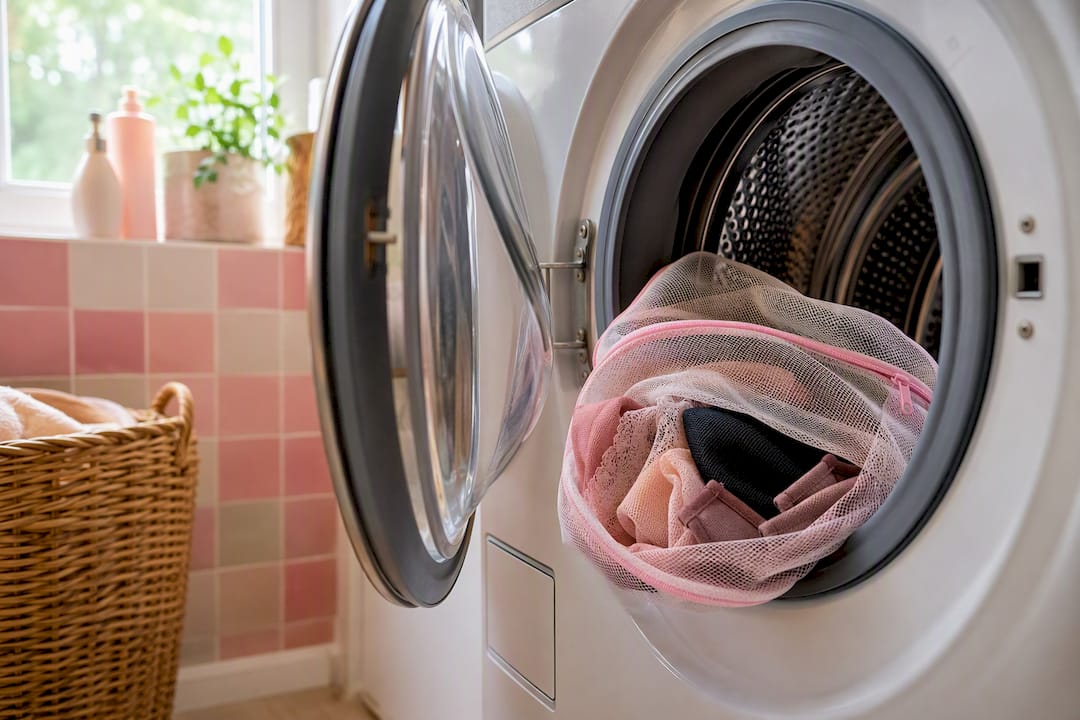
The wash that follows the soak matters just as much as the soak itself. Drain the basin, give the underwear one more cold rinse, then machine wash on the gentle or delicate cycle in cold water with a small amount of mild, fragrance-free detergent. Keep it in the mesh bag. Add an extra rinse cycle if your machine allows it. This is the same core sequence laundry-care experts recommend for every regular wash, just paired with the soak beforehand.
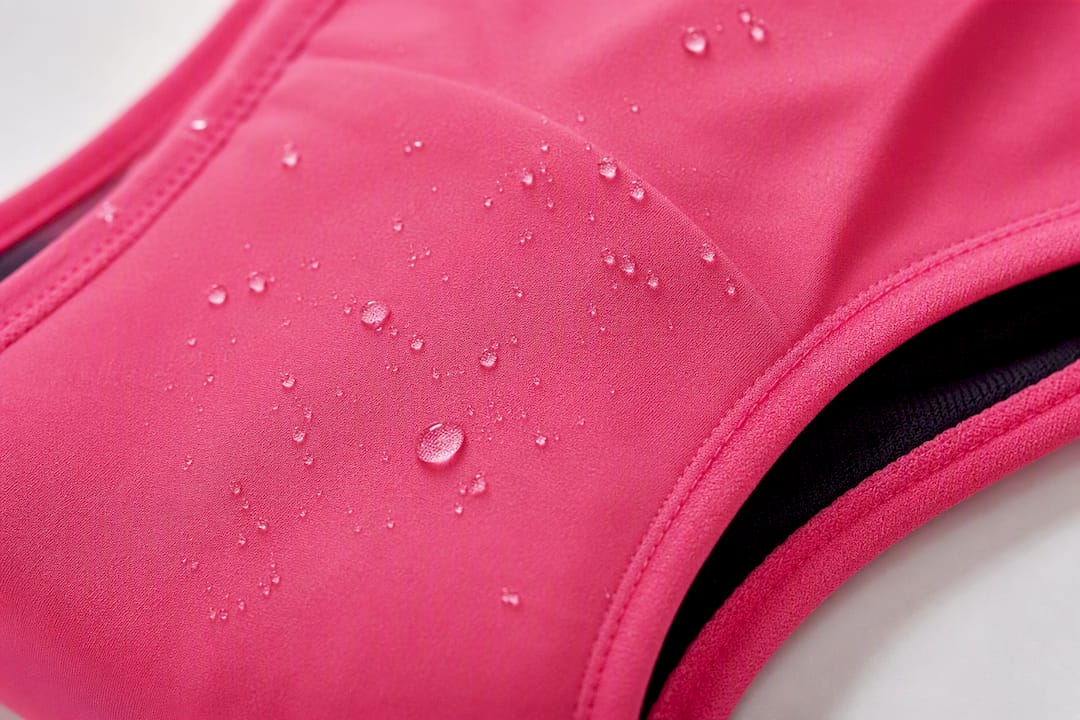
After the wash, check three things before you call it done: does it still smell like anything besides clean detergent, does the gusset feel as absorbent as it did new, and does a few drops of water on the outer layer bead up and roll off rather than soak through. If all three check out, you’re finished. If the smell persists after two full strip cycles, the absorbent layer has likely broken down for good, and it’s time to retire that pair.
How Do You Get Blood Stains Out Without Damaging the Fabric?
Blood is a protein stain, and protein stains respond to cold and enzymes, not heat and force. The wrong move (a hot soak, a hard scrub) is usually what turns a treatable stain into a permanent one.
- Cold-rinse the stained area first, always, before applying anything.
- Apply an oxygen-based or enzyme-safe liquid stain remover directly to the mark. Skip anything with chlorine or a caustic solvent listed on the label.
- If the stain is stubborn, mix a small amount of mild detergent with a splash of cold water into a thin paste, work it into the fabric, and let it sit 10 to 15 minutes.
- Use a soft-bristled brush in gentle circular motions. Never scrub hard or twist the fabric. Manufacturer guidance for period underwear care consistently points to this same soft-touch approach for a reason: aggressive scrubbing thins the fabric layers over repeated washes.
Pro Tip: Test any new stain remover on an inside seam first. Some enzyme cleaners can slightly lighten dyed fabric even when they’re perfectly safe for the waterproof layer.
If a stain survives one full re-soak and a gentle brush treatment, it’s likely set for good. A faint shadow on dark fabric usually isn’t worth chasing further, and it won’t affect how the underwear performs.
Getting the Wash and Dry Routine Right
Everything you did in the soak gets undone by one wrong step in the dryer. Wash on the gentle or delicate cycle in cold water, mild fragrance-free detergent, inside a mesh bag. Keep heavier items like jeans or towels out of the same load; the friction wears down the seams faster than normal use ever would.
- Turn the underwear inside out before drying so the gusset gets full air exposure.
- Hang by the waistband or lay flat. Skip the dryer entirely, and never use a radiator or direct heat source to speed things up.
- For a faster dry, press between two dry towels first, then hang. It shaves real time off air-drying without any heat risk.
- Store only once fully dry, in a breathable spot, not sealed in a plastic bin. Damp storage is how odor comes back even after a good strip.
Fabric softener and dryer sheets are the quiet cause of “why does this smell again already.” Both coat the absorbent fibers with a waxy residue that blocks moisture from wicking properly, which is exactly what triggers repeat odor and slower absorption.
When Does Period Underwear Actually Need a Deep Strip?
Not every wash needs to be a strip. Watch for these signals instead:
- Odor lingers even right after a normal wash cycle.
- The underwear feels wet against skin faster than it used to during normal flow.
- You fail a simple water-repellency check: a few drops on the outer layer soak in instead of beading up.
- Absorbency seems noticeably lower than when the underwear was new.
As a rule of thumb, plan a deep strip every 10 to 15 wears, and sooner if you’re dealing with a heavy flow or wearing the same pairs on repeat while traveling. Run the water-drop test monthly if you wear period underwear daily. It takes 30 seconds and tells you more than sniffing ever will.
What to Avoid: Chemicals, Heat, and Hygiene Risks
Three things ruin period underwear faster than anything else: hot water, chlorine bleach, and fabric softener. Hot water cooks blood proteins into the fabric permanently. Bleach and softener both attack the waterproof laminate layer over time, leaving it stiff, cracked, or residue-coated.
- Stick with oxygen-based cleaners for stripping and stains.
- A small splash of white vinegar in the rinse water can help with odor, but only if the care label doesn’t warn against it.
- Run an extra rinse cycle whenever detergent residue is a concern; leftover soap traps odor just as effectively as sweat does.
The CDC’s guidance on menstrual hygiene is blunt about the core risk here: trapped moisture creates conditions for bacterial and fungal growth, which is exactly why full drying and regular changing of products matters more than any single cleaning product you choose.
What SweeTee Beauty Recommends for Its Own Underwear
SweeTee Beauty builds its period underwear with multiple layers: a moisture-wicking top layer, an absorbent core, and a leak-proof barrier underneath. That construction is exactly why gentle, cold-water care isn’t optional, it’s what keeps all three layers bonded and functioning the way they’re designed to.
- Always rinse cold before the first wash, every time.
- Skip the dryer completely; heat is the fastest way to weaken the barrier layer’s seal.
- Check the care label on each style, since absorbency levels (light through heavy flow and postpartum) can carry slightly different fabric blends.
For the full manufacturer routine, SweeTee’s own guide on how to wash period underwear and make it last walks through wash-by-wash care, and its companion piece on how period underwear works explains why that multilayer design needs a gentler touch than regular laundry.
Where the Standard Laundry Advice Falls Short
Most laundry advice treats period underwear like any other delicate item, and that’s the problem. Generic “wash cold, hang dry” advice ignores that you’re maintaining a barrier layer, not just a piece of fabric. The absorbent core and the waterproof laminate age differently, and they fail differently. A shirt that loses a little softness from heat exposure is still a shirt. Period underwear that loses its barrier seal from the same heat exposure quietly stops doing its job, often before you notice through smell or feel alone.
The water-drop test gets skipped by almost everyone, and it’s the single most useful five-second check available. Odor is a lagging indicator. Absorbency loss and barrier failure usually show up before the smell does, which is why relying on your nose alone means you’re always finding out too late.
Prioritize the diagnostic checks over the deep-clean ritual itself. A strip you didn’t need costs you nothing but time. A strip you needed and skipped costs you a leak at the worst possible moment.
Ready to Replace What’s Past Saving?
Even a well-executed strip routine can’t resurrect underwear whose barrier layer has genuinely broken down, and that’s fine. It’s just the fabric’s natural lifespan doing its thing. SweeTee Beauty builds every pair with a durable multilayer construction specifically so it can handle repeated oxygen-based strips and gentle cold washes without breaking down early, and every product page includes clear care guidance so you’re never guessing.
If you’re noticing reduced absorbency even after a proper strip, it might be time to size up your protection level rather than keep fighting a worn-out pair. Browse the full period underwear collection to find your absorbency level, or check out styles built specifically for heavy flow protection if lingering wetness has become a regular problem. Either way, pair any new pair with the same cold-rinse, gentle-wash habit from day one, and it’ll outlast the guesswork.
Frequently Asked Questions
How often should I strip my period underwear? Most people need a deep strip every 10 to 15 wears, or sooner if odor returns quickly after a normal wash or absorbency feels noticeably lower.
Can I use regular bleach instead of an oxygen-based cleaner? No. Chlorine bleach can damage the waterproof laminate layer inside period underwear and tends to set protein stains rather than lift them, unlike sodium percarbonate.
Why does my period underwear still smell after washing? Leftover detergent residue, fabric softener buildup, or a barrier layer that’s starting to break down are the most common causes. A full strip usually resolves the first two.
Is it safe to machine wash period underwear, or should I hand wash only? Machine washing is fine on a gentle or delicate cycle in cold water inside a mesh bag. Hand washing works too, just skip hot water and hard scrubbing either way.
How do I know if my period underwear needs to be replaced instead of stripped? If odor or wetness persists after two full strip cycles, or the fabric fails a water-repellency test consistently, the absorbent or barrier layer has likely worn out for good.
Sources
- Healthy Habits: Menstrual hygiene (CDC)
- How to wash period underwear (InStyle)
- How to Deep Clean Period Underwear: Step-by-Step Guide (CleaningBro)
- How to Wash Period Underwear: The Manufacturer’s Guide to 50+ Washes (LJVOGUES)
Recommended
- How to Wash Period Underwear & Make It Last | SweeTee Beauty | SweeTee Beauty
- How Period Underwear Works | The SweeTee Journal | SweeTee Beauty
- Are Period Underwear Worth It? The Honest Answer | SweeTee | SweeTee Beauty
- Best Period Underwear for Teens: A Parent’s Guide | SweeTee Beauty | SweeTee Beauty


