
Hygiene, Not Product: CDC Backed Period Underwear Safety Rules

Period underwear doesn’t cause urinary tract infections. No clinical evidence links the products themselves to UTIs, and the CDC’s menstrual hygiene guidance treats period underwear as an acceptable option when used correctly. A 2025 systematic review in PLOS One found the research on menstrual products and infection risk too inconsistent for firm conclusions. What actually raises risk is how the underwear gets used: worn too long, washed poorly, or left damp between cycles.
TL;DR:
- Proper hygiene and timely changing are the main factors in preventing UTIs, not the type of menstrual product used.
- Wet, poorly washed, or damp underwear creates ideal conditions for bacteria, increasing infection risk regardless of material.
- Chemical contaminants like PFAS are found in some products, but they are unrelated to infection and depend on individual chemical exposure concerns.
- Misinterpreting irritation from detergent residue or dampness as infection can lead to unnecessary healthcare visits; symptoms should be carefully evaluated.
- Choosing the proper absorbency level and following recommended washing routines significantly extend product life and minimize hygiene-related risks.
Table of Contents
- What the Research Actually Says About Period Underwear and UTIs
- How the Layers in Period Underwear Actually Work
- How to Wear, Wash, and Store Period Underwear the Right Way
- PFAS, Chemical Finishes, and What “Safe” Really Means
- Symptoms That Mean It’s Time to Call a Doctor
- SweeTee Beauty’s Take on Product Care and Safe Use
- Why the Real Story Here Isn’t About the Underwear
- Where to Find Period Underwear Built for Real-World Use
- Sources
What the Research Actually Says About Period Underwear and UTIs
No major public-health body has established that period underwear causes UTIs. The CDC’s guidance on menstrual hygiene lists period underwear alongside pads, tampons, and menstrual cups as reasonable choices, provided people follow the manufacturer’s washing instructions and change products on a regular schedule. The agency’s emphasis lands squarely on hygiene behavior, not product category.
The strongest recent look at this question comes from a systematic review published in PLOS One in 2025. Researchers combed through existing studies on menstrual products and urogenital or reproductive infections and found the evidence base thin and inconsistent. Study designs varied so much, and outcome measures differed so widely, that the reviewers couldn’t draw a causal line between any specific product and infection risk. Their recommendation: future research needs standardized methods and lab-confirmed outcomes before anyone can make a definitive claim in either direction.
That gap in the data doesn’t mean the question is unanswerable. It means the honest answer, right now, is “no established causal link, but hygiene matters a lot.”
A few things the current evidence base does support:
- The CDC frames period underwear as safe when instructions are followed, not as inherently risky.
- The PLOS One review calls for better research, not more caution around the product category itself.
- Coverage from outlets like Poison Control and Healthline separates chemical-exposure questions (more on that below) from infection risk, since they’re different concerns entirely.
Where clinicians do raise a flag is around confusion between simple irritation and true infection. Contact dermatitis from detergent residue can look and feel similar to early infection symptoms, which is part of why persistent symptoms deserve a real evaluation rather than a guess.
How the Layers in Period Underwear Actually Work
Most period underwear relies on three functional layers: a moisture-wicking layer against the skin, an absorbent core that holds fluid, and a leak-resistant barrier on the outside. Each layer does a specific job, and understanding that job explains why misuse, not the design, tends to be the real variable.
The wicking layer pulls moisture away from skin so it doesn’t sit against you the way a soaked pad does. The absorbent core is rated for a certain volume, light, moderate, heavy, or overnight, and once that core saturates, the underwear stops performing the way it’s supposed to. A saturated core changes the local environment: it stays warmer, holds moisture longer, and creates conditions where bacteria and yeast are more comfortable. That’s the mechanism experts point to when discussing prolonged damp contact and irritation risk, not anything unique to the fabric itself.
A few practical notes on matching product to flow:
- Light-flow underwear works fine as sole protection on lighter days.
- Heavy-flow styles are built for exactly that, but even they have a ceiling.
- On the heaviest days, many people pair period underwear with a tampon or cup as backup rather than relying on absorbency alone.
Pro Tip: If you’re not sure whether your flow has outpaced your underwear’s rating, check the fabric temperature against your skin. Underwear that feels warm and heavy partway through the day is telling you it’s past capacity.
How to Wear, Wash, and Store Period Underwear the Right Way
Hygiene habits, not product choice, drive most of the infection-risk conversation around period underwear. Here’s a practical routine that keeps risk low.
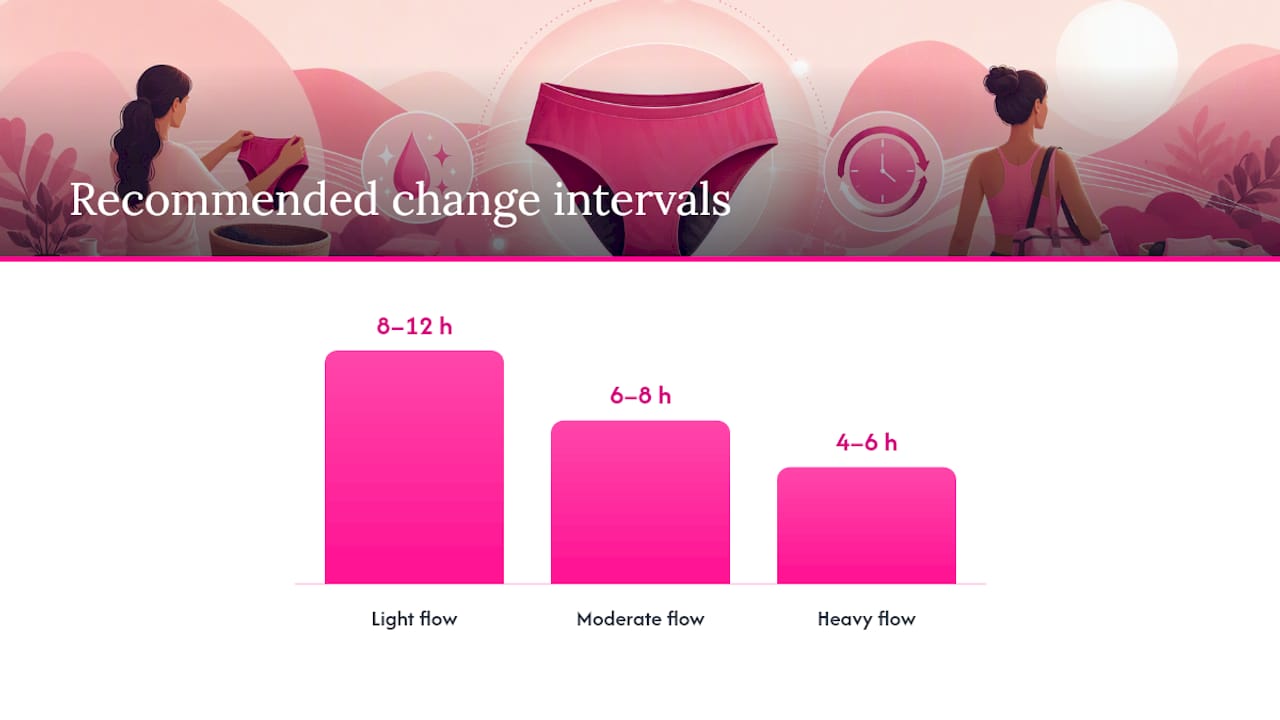
- Change on a schedule tied to your flow. Light days can often stretch to 8 to 12 hours in one pair; moderate flow usually needs a change every 6 to 8 hours; heavy flow calls for checks every 4 to 6 hours, or sooner if the fabric feels saturated.
- Pre-rinse before washing. Cold-water rinsing right after wear loosens blood before it sets, which makes the actual wash more effective.
- Wash according to the label, not habit. Lower-temperature cycles around 30 to 40°C are common for delicates, but they don’t reliably clear all residue or bacteria on their own. Some manufacturers recommend warmer cycles or a dedicated pre-rinse step specifically because of this, and following those washing instructions matters more than defaulting to a gentle cycle out of habit.
- Skip fabric softener. It coats the absorbent layers and reduces how well they wick and hold fluid over time.
- Dry completely before storing or rewearing.**** Damp fabric tucked in a drawer is exactly the environment that encourages odor and bacterial growth.
- Rotate your supply. Owning enough pairs to avoid rewearing a damp one because it’s the only option left in the drawer removes a common failure point.
For heavy flow, overnight wear, or sports, add a buffer: check more frequently than your usual schedule and consider internal backup on the heaviest hours. Specific change-frequency guidance by flow level can help you build a schedule that fits your actual cycle instead of a generic rule.
Pro Tip: Smell is an early warning system. Period underwear that still smells after a full wash and dry cycle usually means residue is building up in the absorbent layer, not that the fabric itself has failed.
PFAS, Chemical Finishes, and What “Safe” Really Means
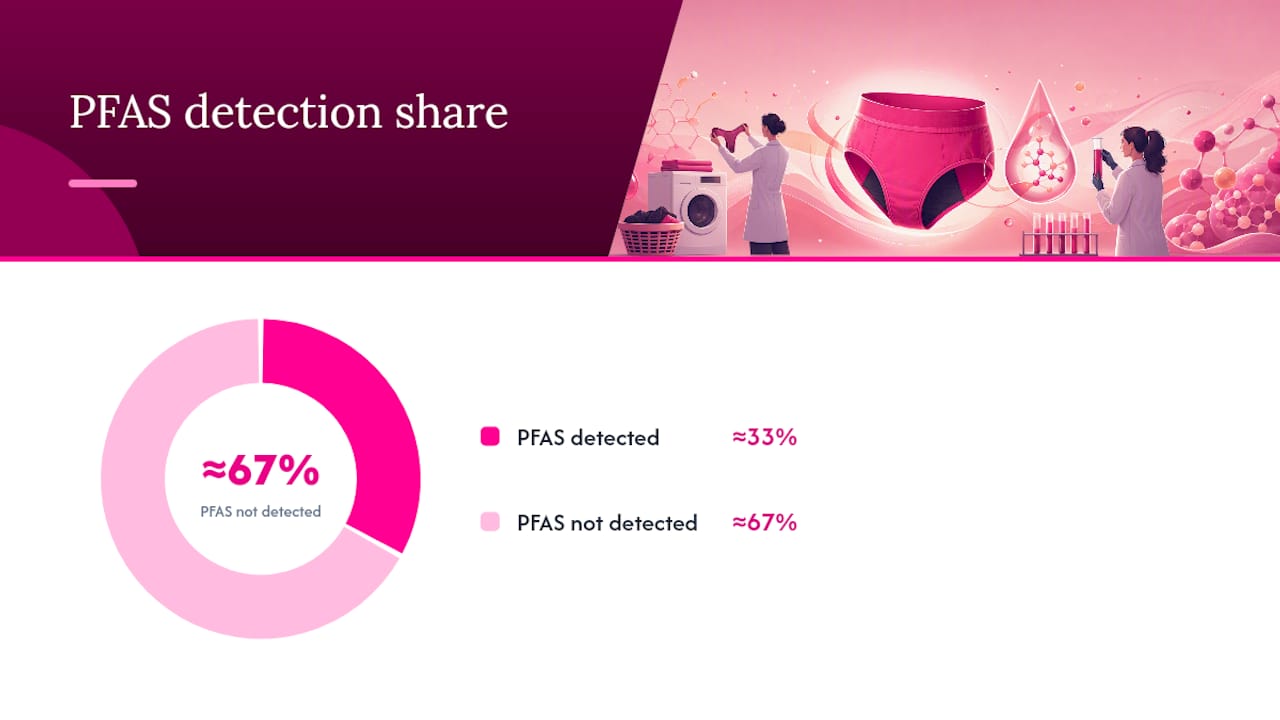
PFAS have shown up in testing on some reusable period products, and that’s a legitimate concern separate from infection risk. Poison Control’s review of period underwear safety found PFAS detected in some tested products, though it stopped short of tying that presence to specific health harms in people who wear them. The chemical class is used in some fabrics for water resistance and stain control, and detection doesn’t automatically mean a proven injury pathway, but it’s reasonable to want to avoid it where you can.
Antimicrobial or “odor-fighting” finishes carry their own asterisk. These biocidal treatments can occasionally disrupt normal skin flora or trigger contact allergies in sensitive people, which is a different mechanism than infection but can produce similar-feeling irritation.
A quick buyer checklist if chemical exposure is your main worry:
- Look for explicit “PFAS-free” language, not just “PFOA-free.” PFAS is a broad chemical class, and being free of one compound doesn’t mean the product avoids the whole family.
- Favor brands that publish or reference third-party lab testing rather than relying on marketing language alone.
- Natural fiber blends tend to carry fewer synthetic finishes, though they’re not automatically PFAS-free either.
Testing referenced by Poison Control found PFAS in roughly a third of the reusable hygiene products sampled in that analysis, which is a useful reminder that “reusable” and “chemical-free” aren’t the same claim. If chemical exposure worries you more than absorbency does, that’s the trade-off worth researching before you buy, and it’s worth reading through background on chemical exposure concerns in reusable period products before assuming the worst.
Symptoms That Mean It’s Time to Call a Doctor
Irritation from damp fabric or detergent residue can mimic infection, so knowing the actual UTI signs matters. Classic urinary tract infection symptoms include:
- A burning sensation during urination
- Needing to urinate frequently, even when little comes out
- A persistent sense of urgency
- Cloudy, dark, or blood-tinged urine
- Pelvic pressure or lower abdominal discomfort
Bacterial vaginosis and yeast infections show up differently, usually with changes in discharge color, texture, or odor rather than urinary burning. Simple contact dermatitis from detergent or a damp fabric edge tends to cause localized itching or redness without the urinary symptoms above.
UTIs typically start when bacteria, often from the digestive tract, reach the urinary opening through wiping direction, intercourse, or urinary retention, according to the National Institute of Diabetes and Digestive and Kidney Diseases. Menstrual product choice sits well down that list of causes. If burning, urgency, or cloudy urine shows up and doesn’t clear within a day of basic self-care, get a urine test rather than waiting it out.
SweeTee Beauty’s Take on Product Care and Safe Use
Some period underwear brands offer graduated absorbency options, from light through postpartum-level protection, to help users match the product to their actual flow instead of overloading one style. That matching matters more than most buyers realize: an absorbency mismatch is the fastest way to push fabric past its saturation point.
Two habits make the biggest difference in daily use. Check the gusset for wear or thinning before assuming a pair is still at full absorbency, and follow washing instructions built for period underwear specifically rather than a generic delicates cycle. Both take under a minute and extend both comfort and product life.
Why the Real Story Here Isn’t About the Underwear
The conventional advice on this topic spends too much energy litigating whether period underwear is “safe” as a category and not enough on what actually predicts trouble: how long something stays wet against skin. That’s the variable that shows up again and again in the CDC’s guidance and in the PLOS One review’s call for better research. Products aren’t the villain the internet sometimes makes them out to be.
Where I think most guides undersell the point is fabric care. People will obsess over which brand to buy and then wash everything on a quick cold cycle because it’s convenient, missing that a lower-temperature wash doesn’t reliably clear residue or bacteria on its own. That’s a bigger daily variable than any single purchasing decision.
If you want one thing to prioritize, prioritize saturation awareness. Learn what your flow actually needs, change before the fabric tells you it’s overdue, and treat washing instructions as functional, not optional. Everything else, chemical finishes, brand choice, style, matters less than that one habit.
— Tiera
Where to Find Period Underwear Built for Real-World Use
If you’ve read this far, you already know the fix isn’t avoiding period underwear, it’s choosing the right absorbency and taking care of it properly. Certain period underwear brands design their products with multiple absorbency levels, from light through heavy and postpartum, to help avoid stretching one pair past its limit on heavier days.
For heavier flows or overnight wear, the heavy flow protection collection is built with reinforced absorbent cores rated for exactly the situations this guide flags as higher risk when fabric gets overloaded. Pair any purchase with the washing and drying guide so the underwear keeps performing the way it’s rated to, wash after wash. Used and cared for according to hygiene guidance, period underwear can be a sustainable, reusable option that fits heavy flow days, travel, and postpartum recovery alike. Browse the current styles and find the absorbency level that actually matches your cycle.
This article is general information, not a substitute for advice from a qualified doctor. Consult a qualified healthcare professional about your own circumstances before acting on anything here.
Sources
- Healthy habits: menstrual hygiene | CDC
- Systematic review on menstrual products and reproductive/urogenital infections | PLOS One
- Is period underwear safe to use? | Poison Control
- What is period underwear? | Healthline
- Period underwear guidance | NJ Department of Health


